
How One Preparation Can Cover Multiple Central Government Exams
How One Preparation Can Cover Multiple Central Government Exams
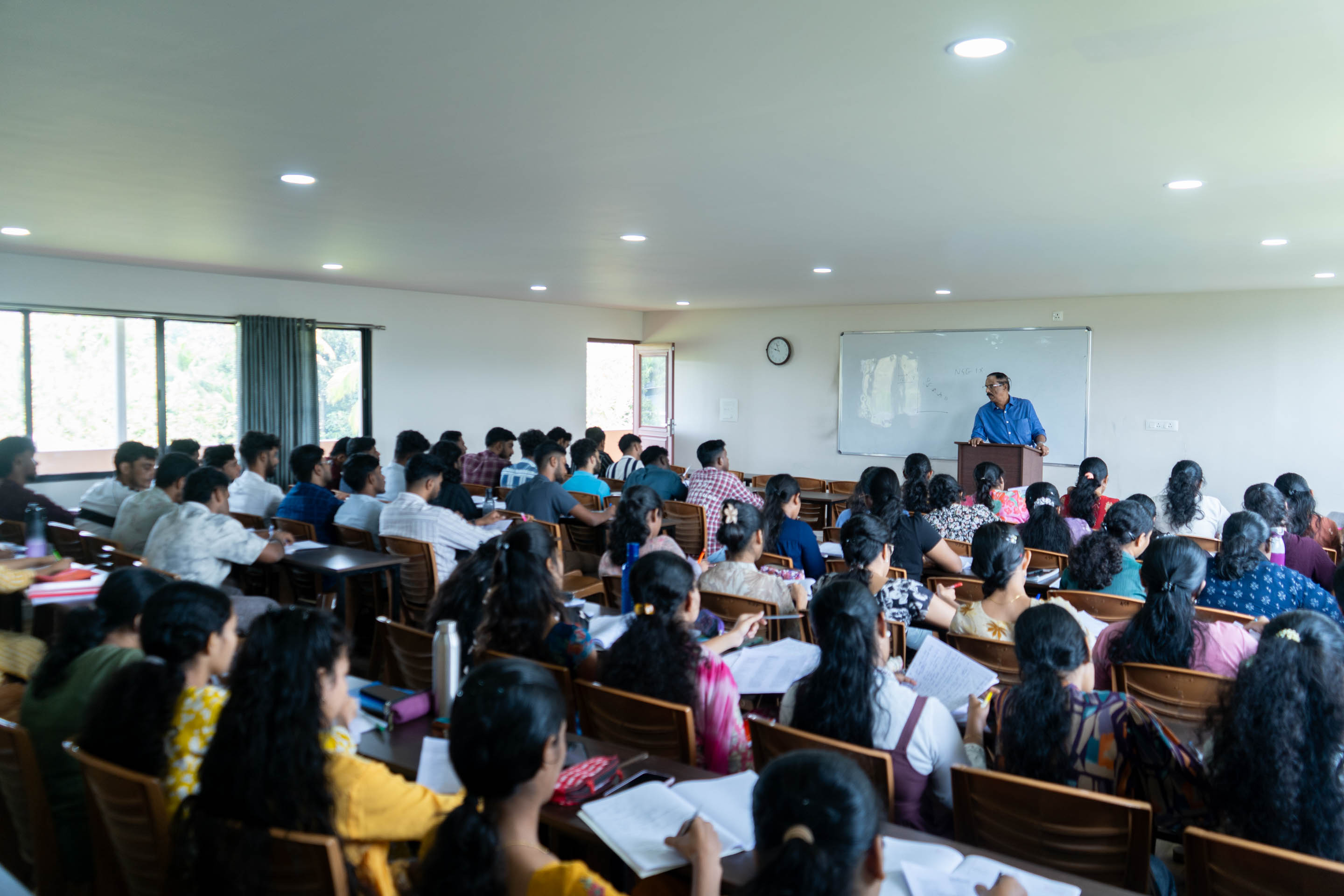
How One Preparation Can Cover Multiple Central Government Exams
If you are planning to write Central Government exams, you may have asked yourself this question:
Is it possible to prepare for multiple government exams simultaneously?
The short answer is yes.
The smarter answer is it depends on how you prepare.
Many aspirants still approach each exam as a completely separate battle. That assumption often leads to repetition, confusion, and burnout. But when you step back and examine the structure of most Central Government exams, a different pattern emerges.
Let us break this down clearly.
1. The Overlap Most Aspirants Overlook
Take a look at major Central Government exams such as:
SSC CGL
SSC CHSL
SSC MTS
RRB NTPC
RRB Group D
IB ACIO
Various Ministry and Departmental exams
While the posts differ, the core subjects remain largely similar.
Common Core Areas:
Quantitative Aptitude
Reasoning Ability
English Language
General Awareness
Current Affairs
Now ask yourself:
If 60 to 80 percent of the syllabus overlaps, does it make sense to prepare separately for each exam?
Probably not.
The real strategy lies in building strong fundamentals once, and then adapting to exam-specific patterns.
2. The Foundation Model vs The Exam-by-Exam Model
Most students unknowingly follow what we can call the Exam-by-Exam Model:
SSC notification comes → Start preparing for SSC
RRB notification comes → Shift focus completely
IB notification comes → Start again from scratch
This approach creates:
Fragmented learning
Weak conceptual clarity
Repeated syllabus coverage
Increased mental fatigue
Now compare that with the Foundation Model:
Build strong fundamentals in aptitude, reasoning, English, and static GK
Develop speed and accuracy early
Practice mixed-question patterns
Adapt with targeted mock tests
In this approach, preparation becomes cumulative rather than repetitive.
3. Why Core Preparation Works Across Exams
Let us examine subject-wise overlap.
Quantitative Aptitude
Topics like:
Percentage
Ratio and Proportion
Time and Work
Time, Speed and Distance
Profit and Loss
Simple and Compound Interest
Algebra and Geometry basics
These are standard across SSC, RRB, and many other exams.
The difference lies in:
Difficulty level
Number of questions
Time pressure
If your concepts are strong, adjustment becomes easier.
Reasoning Ability
Topics like:
Series
Coding-Decoding
Blood Relations
Direction Sense
Syllogism
Puzzles
Again, structure remains consistent. Pattern variation exists, but logical foundation remains the same.
English Language
Most exams test:
Grammar
Vocabulary
Reading comprehension
Error detection
Sentence improvement
If grammar fundamentals are clear, you are not preparing separately. You are strengthening a universal skill.
General Awareness
This is where strategy matters.
Static GK overlaps heavily:
Polity
History
Geography
Economy
Science basics
Current Affairs preparation remains common for most exams within the same year cycle.
Instead of studying GK repeatedly for each exam, a structured approach helps you build layered retention.
4. The Real Difference Between Exams
If the syllabus overlaps so much, why do students feel exams are very different?
Because they focus on surface-level differences:
Number of questions
Cut-off trends
Negative marking
Post preferences
These are important. But they are format differences, not foundational differences.
Think of it this way:
If you learn to drive well, switching between different cars does not require learning from zero.
Similarly, strong preparation makes exam variation manageable.
5. The Strategic Advantage of One Structured Preparation
Preparing for multiple exams together gives you:
Multiple Attempts, One Effort: Instead of waiting for a single exam cycle, you get several opportunities in the same year.
Reduced Risk: If you narrowly miss one exam, your preparation still serves the next.
Improved Confidence: You are not emotionally dependent on one notification.
Better Time Utilization: Preparation becomes continuous rather than reactive.
6. When Does Combined Preparation Not Work?
It would be misleading to say it works for every combination.
For example:
UPSC Civil Services requires a different depth of preparation.
Technical posts may require domain-specific subjects.
Certain specialized intelligence or defence exams may require separate physical or technical preparation.
So the smarter question is not “Can I prepare for all exams together?”
It is “Which exams share the same core structure?”
Most SSC, RRB, and many Central-level non-technical exams share that common base.
7. How to Practically Implement This Strategy
Here is a simplified roadmap:
Step 1: Master Core Subjects (Months 1–5)
Concept clarity in Maths and Reasoning
Strong grammar foundation
Build static GK notes
Start daily current affairs habit
Step 2: Integrated Practice (Months 6–8)
Mixed-topic mock tests
Sectional speed drills
PYQs from multiple exams
Step 3: Targeted Exam Customization (Months 9–10)
Focused mock series based on upcoming notifications
Cut-off analysis
Exam-specific pattern adjustments
This layered method ensures your preparation compounds over time.
8. The Philosophy Behind One Preparation Base
The idea is simple:
Do not chase exams.Build competence.
When preparation is structured around strong fundamentals, you are not preparing for one post. You are preparing for an entire category of opportunities.
That is the difference between scattered effort and strategic preparation.
Final Thought
Career decisions deserve clarity, not urgency.
If multiple Central Government exams share a common foundation, it makes sense to build that foundation once and use it intelligently across opportunities.
Instead of asking: “Which exam should I prepare for?” Consider asking: “How strong is my core preparation?”
Because when the base is strong, opportunities multiply.
How One Preparation Can Cover Multiple Central Government Exams
If you are planning to write Central Government exams, you may have asked yourself this question:
Is it possible to prepare for multiple government exams simultaneously?
The short answer is yes.
The smarter answer is it depends on how you prepare.
Many aspirants still approach each exam as a completely separate battle. That assumption often leads to repetition, confusion, and burnout. But when you step back and examine the structure of most Central Government exams, a different pattern emerges.
Let us break this down clearly.
1. The Overlap Most Aspirants Overlook
Take a look at major Central Government exams such as:
SSC CGL
SSC CHSL
SSC MTS
RRB NTPC
RRB Group D
IB ACIO
Various Ministry and Departmental exams
While the posts differ, the core subjects remain largely similar.
Common Core Areas:
Quantitative Aptitude
Reasoning Ability
English Language
General Awareness
Current Affairs
Now ask yourself:
If 60 to 80 percent of the syllabus overlaps, does it make sense to prepare separately for each exam?
Probably not.
The real strategy lies in building strong fundamentals once, and then adapting to exam-specific patterns.
2. The Foundation Model vs The Exam-by-Exam Model
Most students unknowingly follow what we can call the Exam-by-Exam Model:
SSC notification comes → Start preparing for SSC
RRB notification comes → Shift focus completely
IB notification comes → Start again from scratch
This approach creates:
Fragmented learning
Weak conceptual clarity
Repeated syllabus coverage
Increased mental fatigue
Now compare that with the Foundation Model:
Build strong fundamentals in aptitude, reasoning, English, and static GK
Develop speed and accuracy early
Practice mixed-question patterns
Adapt with targeted mock tests
In this approach, preparation becomes cumulative rather than repetitive.
3. Why Core Preparation Works Across Exams
Let us examine subject-wise overlap.
Quantitative Aptitude
Topics like:
Percentage
Ratio and Proportion
Time and Work
Time, Speed and Distance
Profit and Loss
Simple and Compound Interest
Algebra and Geometry basics
These are standard across SSC, RRB, and many other exams.
The difference lies in:
Difficulty level
Number of questions
Time pressure
If your concepts are strong, adjustment becomes easier.
Reasoning Ability
Topics like:
Series
Coding-Decoding
Blood Relations
Direction Sense
Syllogism
Puzzles
Again, structure remains consistent. Pattern variation exists, but logical foundation remains the same.
English Language
Most exams test:
Grammar
Vocabulary
Reading comprehension
Error detection
Sentence improvement
If grammar fundamentals are clear, you are not preparing separately. You are strengthening a universal skill.
General Awareness
This is where strategy matters.
Static GK overlaps heavily:
Polity
History
Geography
Economy
Science basics
Current Affairs preparation remains common for most exams within the same year cycle.
Instead of studying GK repeatedly for each exam, a structured approach helps you build layered retention.
4. The Real Difference Between Exams
If the syllabus overlaps so much, why do students feel exams are very different?
Because they focus on surface-level differences:
Number of questions
Cut-off trends
Negative marking
Post preferences
These are important. But they are format differences, not foundational differences.
Think of it this way:
If you learn to drive well, switching between different cars does not require learning from zero.
Similarly, strong preparation makes exam variation manageable.
5. The Strategic Advantage of One Structured Preparation
Preparing for multiple exams together gives you:
Multiple Attempts, One Effort: Instead of waiting for a single exam cycle, you get several opportunities in the same year.
Reduced Risk: If you narrowly miss one exam, your preparation still serves the next.
Improved Confidence: You are not emotionally dependent on one notification.
Better Time Utilization: Preparation becomes continuous rather than reactive.
6. When Does Combined Preparation Not Work?
It would be misleading to say it works for every combination.
For example:
UPSC Civil Services requires a different depth of preparation.
Technical posts may require domain-specific subjects.
Certain specialized intelligence or defence exams may require separate physical or technical preparation.
So the smarter question is not “Can I prepare for all exams together?”
It is “Which exams share the same core structure?”
Most SSC, RRB, and many Central-level non-technical exams share that common base.
7. How to Practically Implement This Strategy
Here is a simplified roadmap:
Step 1: Master Core Subjects (Months 1–5)
Concept clarity in Maths and Reasoning
Strong grammar foundation
Build static GK notes
Start daily current affairs habit
Step 2: Integrated Practice (Months 6–8)
Mixed-topic mock tests
Sectional speed drills
PYQs from multiple exams
Step 3: Targeted Exam Customization (Months 9–10)
Focused mock series based on upcoming notifications
Cut-off analysis
Exam-specific pattern adjustments
This layered method ensures your preparation compounds over time.
8. The Philosophy Behind One Preparation Base
The idea is simple:
Do not chase exams.Build competence.
When preparation is structured around strong fundamentals, you are not preparing for one post. You are preparing for an entire category of opportunities.
That is the difference between scattered effort and strategic preparation.
Final Thought
Career decisions deserve clarity, not urgency.
If multiple Central Government exams share a common foundation, it makes sense to build that foundation once and use it intelligently across opportunities.
Instead of asking: “Which exam should I prepare for?” Consider asking: “How strong is my core preparation?”
Because when the base is strong, opportunities multiply.

SSC CGL
SSC CHSL
CDS
AFCAT
SSC CPO
RRB
ESIC